Street and eat
This article first appeared in The Weekend Australian 25th-26th 2009
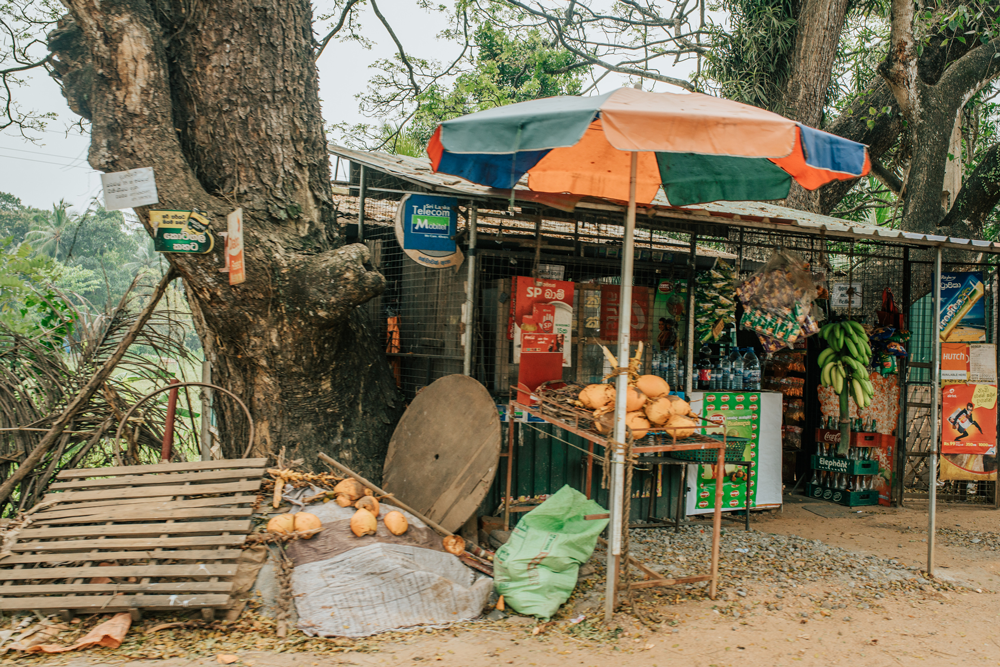
The Indonesian warung, or street cafe, has been part of the country’s cultural and social landscape for hundreds of years. In Bali they are on practically every corner and there are scores of the mobile variety with the vendors pushing their carts and tapping a spoon on a glass to signal their approach.
One of the most popular dishes at a Balinese warung is bakso, a meat dumpling soup. As well as eating in, I spy locals carrying it off in plastic bags as you would goldfish from a pet shop. Also on the typical warung menu is nasi (rice) every which way: nasi uduk (coconut rice with fried chicken and chilli sauce), nasi jenggo (white rice with sambal) and nasi liwet (rice with coconut milk served with egg, chicken and a very spicy broth). Other staples include simple spiced vegetable dishes and dried fish.
Warungu need to differentiate to be competitive so there is endless variety. I even sight a mobile “happy burger” warung; for added effect, rock music plays on a tiny transistor tied to its front. Tapping into the world fetish for Spanish cuisine, there’s also a tapas warung in downtown Seminyak geared for tourists.
For a beach experience, ask a taxi driver to take you to one of the many seafood warungs beside Jimbaran Bay near Denpasar airport; Menega Cafe is particularly worth seeking out. Choose from fresh fish, squid, lobster or prawns and it will be grilled and brought to you on a table in the sand.
Afterwards, go for dessert at one of the many martabak warungs that can be found nearby at night. They serve thick, sweet pancakes filled with chocolate and cooked in a specially shaped pan.
Another great area for warungs is the busy street of Jalan Teuku Umar in Denpasar, which has a huge concentration of stalls. From about 14,000 rupiah ($1.70) you can get fed very well in Bali. However, for less than 300,000 rupiah, I decide to have the ultimate warung dining experience at Hotel Tugu at Canggu. A serene hotel, it’s filled with Indonesian antiquities, like a living museum but with the one important difference that you can touch everything.
Albeit in a five-star setting, the intent of my meal, dubbed Waroeng Jawa, is to experience how Indonesians ate hundreds of years ago. From the age of four, resident chef Iboe Soelastri learned her craft from her grandmother. Now an elderly woman, she cooked for former Indonesian president Megawati Sukarnoputri for years and still does when she stays at Hotel Tugu. I enter the hushed, centuries-old dining hut, lined with ancient timber furniture, antiques and oil lamps. The meal, which Iboe has been patiently preparing all morning, arrives on an elaborate wooden platter with a variety of dishes wrapped in banana leaves. Simple wooden utensils are supplied or you can eat with your hands.
We start with basic dishes such as deep-fried tofu, soybean cake, turmeric-flavoured rice and Balinese style red rice. Then things really get interesting. I unravel one banana leaf to discover fresh steamed snapper in a marinade of shallots, garlic, coriander, lemongrass and chilli. Nest come tiny fresh shrimps slow-cooked in red pepper and tomato spiced with ginger, palm sugar and chilli. Tiny slivers of potato are a fine accompaniment.
I rip apart a coconut-spiced grilled chicken that has been given a real kick with chilli, galangal, lime and bay leaves, then wash my hands in the elegant old wooden finger bowls before attacking a dish of stir—fried baby eggplants; it’s an exercise in restraint and simplicity, slow-cooked with pepper, sugar, chilli and sweet soy sauce.
Then comes a bowl of stewed bamboo shoots and tofu in coconut milk; it’s a light, clear broth, not as heavy as a laksa. Next are marinated quail eggs and chicken slowly steamed in banana leaves and suitably spiced.
My 11-year-old stepdaughter, who has accompanied me for this meal, is really excited about the dessert of banana fritters. They are shallow-fried tempura style, sweetened with shredded coconut and sweet palm syrup